by Nicklas Nickel
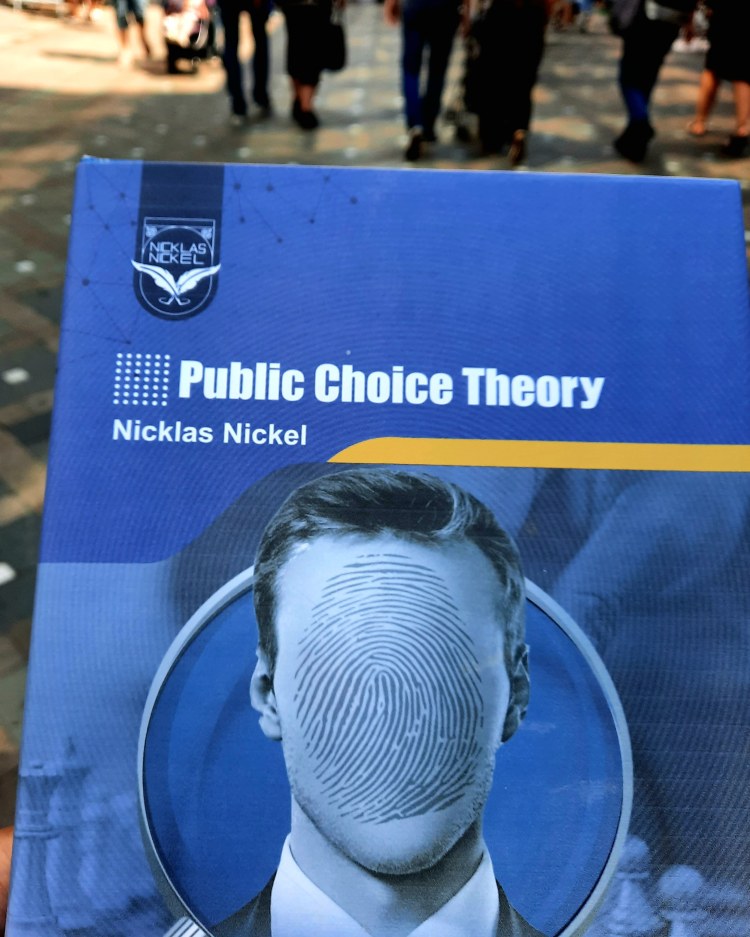
Public choice theory is a branch of economics that has gained significant attention over the past few decades. It seeks to explain how individuals make decisions in the public sphere and the impact of these decisions on society as a whole. One of the key areas of focus for public choice theory is the relationship between the actions of public officials and systematic corruption, especially in developing countries.
As the author of the book “Public Choice Theory” (Nicklas Nickel), I have delved into the intricacies of this economic theory and explored how it can be applied to understand the phenomenon of corruption in developing countries. In this article, I will outline the main tenets of public choice theory, and explain how it can help us understand the drivers of corruption in developing countries.
At its core, public choice theory argues that individuals act in their own self-interest, even when they are making decisions that impact society as a whole. This is true for both the private and public sectors. Public officials, just like individuals in the private sector, are motivated by self-interest and seek to maximize their personal gains.
In many developing countries, public officials have access to a range of resources that they can use to enrich themselves. This includes access to public funds, natural resources, and state-owned enterprises. When public officials act in their self-interest, they may engage in corrupt activities such as embezzlement, bribery, and extortion.
Public choice theory argues that the likelihood of corruption occurring is dependent on a number of factors. These include the level of discretion that public officials have, the level of oversight and accountability in the public sector, and the level of competition in the political arena.
When public officials have a high level of discretion, they are more likely to engage in corrupt activities. This is because they have the power to make decisions that can impact the distribution of resources in society. In addition, when oversight and accountability mechanisms are weak, public officials may feel emboldened to engage in corrupt activities. They know that they are unlikely to be caught or punished for their actions. Finally, in countries where there is little competition in the political arena, public officials may feel less pressure to act in the public interest. They know that they are unlikely to face significant challenges from other political actors.
So, what can be done to reduce corruption in developing countries? According to public choice theory, there are a number of potential solutions. These include increasing transparency in the public sector, strengthening oversight and accountability mechanisms, and introducing competition in the political arena.
Increasing transparency is critical because it makes it more difficult for public officials to engage in corrupt activities. When information is freely available to the public, it is easier to track how public resources are being used. This can help to deter corrupt activities and ensure that public officials are held accountable for their actions.
Strengthening oversight and accountability mechanisms is also important. This can include measures such as auditing, monitoring, and reporting. When public officials know that their actions are being watched and scrutinized, they are less likely to engage in corrupt activities.
Finally, introducing competition in the political arena can help to reduce corruption. When there are multiple political actors competing for power, public officials are more likely to act in the public interest. This is because they know that if they engage in corrupt activities, they may lose their position of power.
In conclusion, public choice theory provides a useful framework for understanding the drivers of corruption in developing countries. By recognizing that public officials are motivated by self-interest, we can begin to identify solutions that can reduce corruption and promote good governance. As I have explained in my book “Public Choice Theory” (Nicklas Nickel), increasing transparency, strengthening oversight and accountability mechanisms, and introducing competition in the political arena are all potential solutions to the problem of corruption in developing countries. While there are no easy solutions to this complex issue, it is important that we continue to explore and implement measures to reduce corruption and promote good governance.
It is also worth noting that the solutions proposed by public choice theory are not foolproof. There are many factors that can influence the effectiveness of these solutions. For example, implementing transparency measures in countries with low levels of media freedom may be challenging. Similarly, introducing competition in countries with weak political institutions may lead to increased instability.
Despite these challenges, public choice theory offers a valuable perspective on the issue of corruption in developing countries. By recognizing that public officials are motivated by self-interest, we can begin to design solutions that take into account the incentives that drive corrupt behavior. This can help to ensure that policies and interventions are more effective in reducing corruption and promoting good governance.
In addition to the solutions proposed by public choice theory, there are other approaches that can also be effective in reducing corruption. These include strengthening civil society, promoting civic engagement, and building strong institutions.
Strengthening civil society is important because it can provide a counterbalance to the power of public officials. When there are strong and active civil society organizations, it is more difficult for public officials to act with impunity. Civil society organizations can also serve as watchdogs, monitoring the actions of public officials and holding them accountable for their actions.
Promoting civic engagement is also important because it can help to create a culture of accountability. When citizens are engaged in the political process, they are more likely to demand transparency and accountability from public officials. This can help to reduce corruption and promote good governance.
Building strong institutions is also critical. This includes institutions such as the judiciary, law enforcement, and regulatory bodies. When these institutions are strong and independent, they can help to hold public officials accountable for their actions. This can help to reduce the likelihood of corrupt behavior and promote good governance.
In conclusion, corruption is a complex issue that requires multifaceted solutions. Public choice theory offers a valuable perspective on the drivers of corruption in developing countries, and can help to inform interventions that are more effective in reducing corruption and promoting good governance. However, it is important to recognize that there are no easy solutions to this issue. To be effective, interventions must take into account the unique political, economic, and social contexts of each country. By working together and taking a comprehensive approach, we can begin to make progress in the fight against corruption and promote a more just and equitable world.
As mentioned earlier, my book “Public Choice Theory” offers a detailed economic perspective on the theory and its applications. The book explores the various aspects of public choice theory, including the incentives that drive individual behavior, the role of institutions in shaping behavior, and the relationship between politics and economics. It also offers insights into the application of public choice theory in different contexts, including the analysis of policy making, the study of regulatory frameworks, and the examination of corruption.
One of the key contributions of public choice theory is its emphasis on the importance of incentives in shaping behavior. This perspective can be particularly useful in understanding corruption in developing countries. In many cases, public officials are motivated by self-interest and seek to maximize their personal gains. This can lead to a variety of corrupt behaviors, such as embezzlement, bribery, and nepotism.
To address these issues, public choice theory proposes a number of solutions. These include increasing transparency and accountability, promoting competition, and reducing the scope of government intervention. Transparency and accountability measures can help to reduce corrupt behavior by increasing the likelihood that public officials will be caught and punished for their actions. Competition can also be effective, as it can limit the power of individual actors and provide incentives for better performance. Finally, reducing the scope of government intervention can help to limit the opportunities for corruption.
However, implementing these solutions is not always straightforward. There are many factors that can influence the effectiveness of these measures, including cultural and social factors, institutional capacity, and political will. In some cases, implementing transparency measures can be difficult due to limited access to information or weak media freedom. Similarly, introducing competition in countries with weak political institutions may lead to increased instability.
Another challenge in addressing corruption in developing countries is the role of international actors. International aid and foreign investment can play a crucial role in supporting economic development and promoting good governance. However, these interventions can also be a source of corruption, particularly when they are not subject to sufficient oversight and accountability measures.
To address these challenges, it is important to take a comprehensive approach to addressing corruption. This includes addressing the underlying political, economic, and social factors that contribute to corruption, as well as implementing targeted interventions to reduce corrupt behavior. It also involves working with international actors to ensure that their interventions are aligned with the goal of promoting good governance and reducing corruption.
In conclusion, public choice theory offers a valuable perspective on the issue of corruption in developing countries. By recognizing the incentives that drive corrupt behavior, we can begin to design interventions that are more effective in reducing corruption and promoting good governance. However, it is important to recognize that there are no easy solutions to this complex issue. Addressing corruption requires a comprehensive approach that takes into account the unique political, economic, and social contexts of each country. By working together and taking a long-term view, we can begin to make progress in the fight against corruption and promote a more just and equitable world.
 Nicklas Nickel