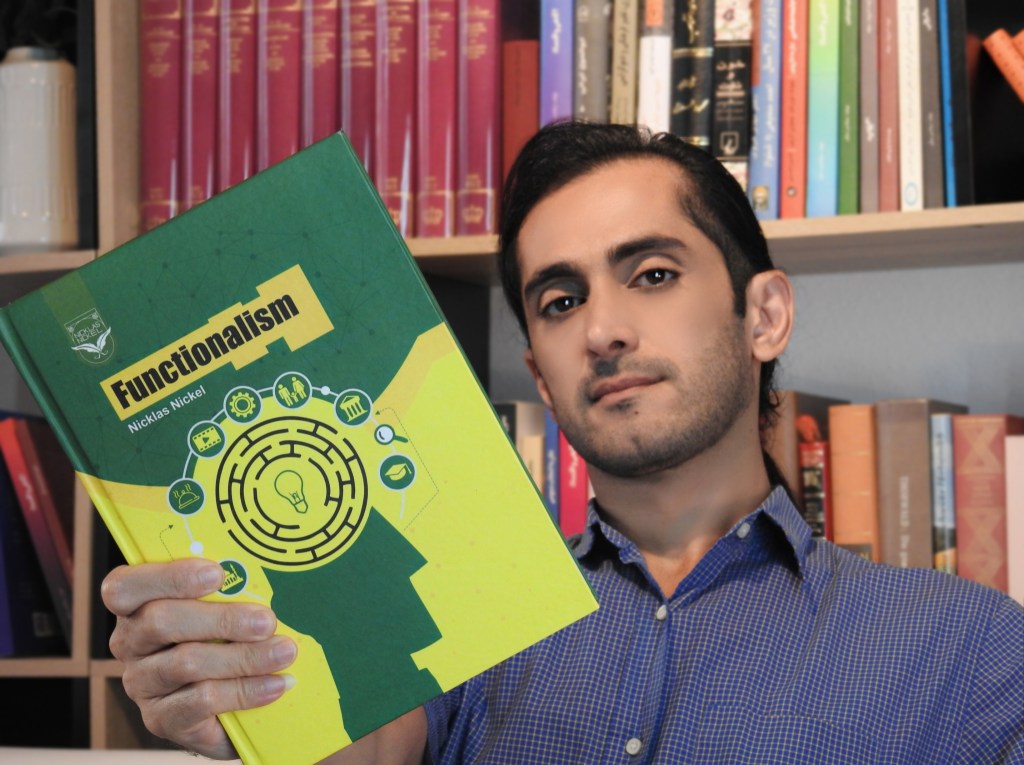
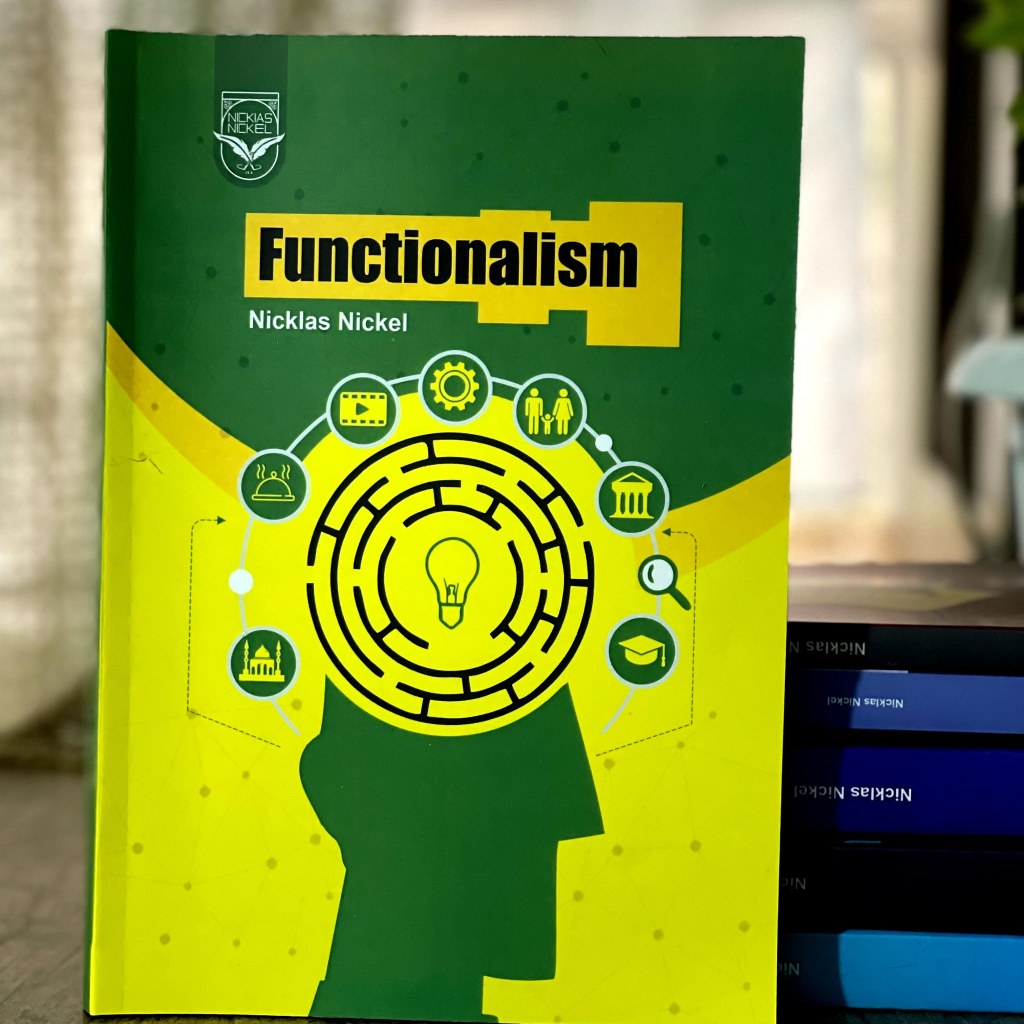
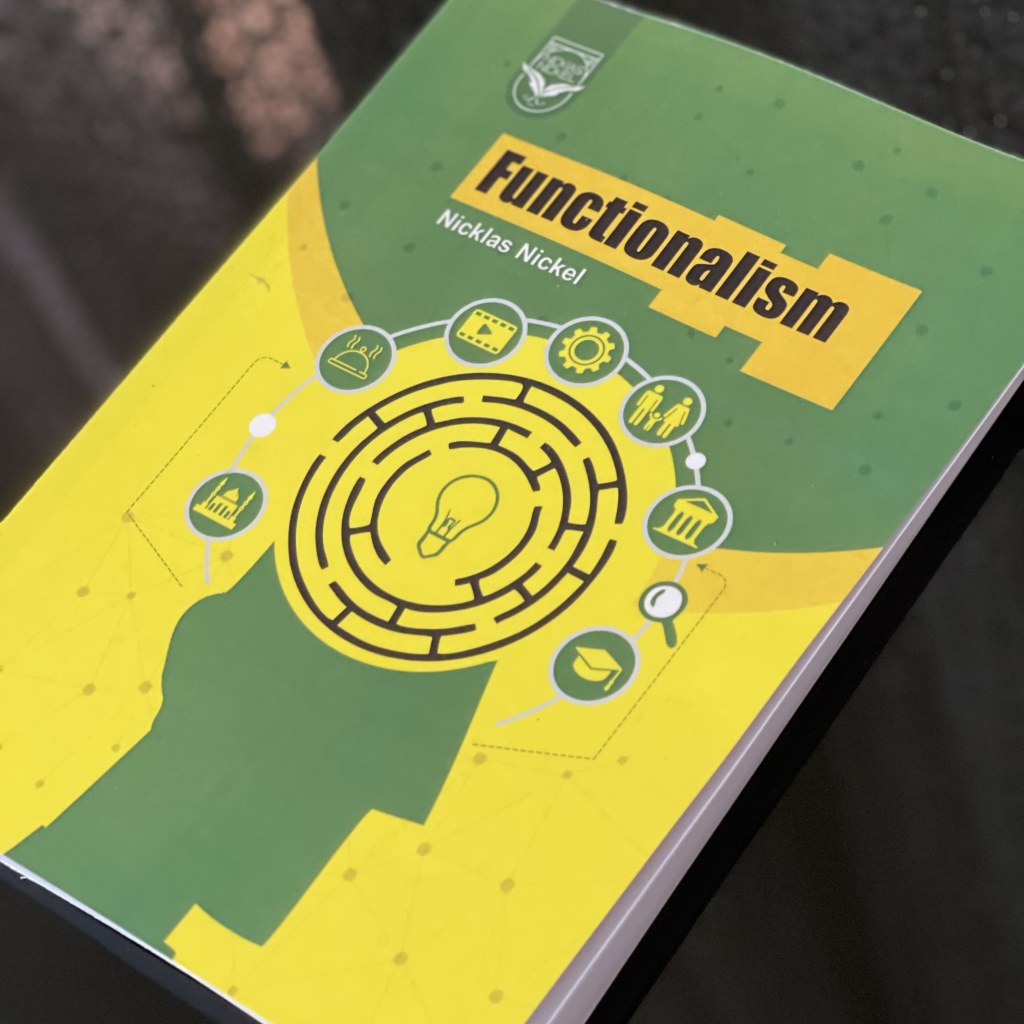
Functionalism begins by emphasizing the social sciences and tracing their coordinates among a myriad of theories, ranging from classical to modern. To this end, Nicklas Nickel has advocated for this approach since the inception of sociology as a scientific discipline. He introduces us to the type of ontology, epistemology, and methodology through the perspectives of Kent, Spencer, and the apex, Durkheim. Moreover, what was engrafted with “Functionalism” is further explored in the 20th century under the umbrella of “Structural Functionalism”. By examining the branches and evolutionary trends of this approach, he enumerates his latest achievements in social explanations in the eyes of neo-functionalists. Nickel also pinpointed the most important theories and thinkers active in this field in order for us to get more acquainted with the path taken by functionalism in the philosophy of mind and psychology. Academic currents in both philosophy of mind and social sciences, particularly in the United States, have embraced functionalism at times. It would sometimes deform or even be abandoned as it progressed. What matters is the legacy of functionalism in the humanities, whose ramifications can still be seen today in opposing and divergent perspectives.
Nicklas Nickel
کتاب “کارکردگرایی” با تاکید بر روی علوم اجتماعی و ردیابیِ مختصاتِ آن در بین انبوهی از نظریات -از کلاسیک تا مدرن- آغاز شده است.
بدین منظور نیکلاس نیکل از لحظۀ پیدایش جامعه شناسی به عنوانِ دیسیپلینی علمی، با این رویکرد همراه شده و ما را از مجرای دیدگاه های کنت، اسپنسر و نکتۀ اوج آن، یعنی دورکیم، با نوع هستی شناسی، معرفت شناسی و متدولوژیِ آن آشنا کرده است.
همچنین آنچه در ادامه و در قرن بیستم با “کارکردگرایی” عجین شد، ذیل عنوانِ کلیِ “کارکردگرایی ساختاری” مورد بررسی قرار گرفته است. او با بررسی شاخه ها و سیر تطور این رویکرد، به آخرین دستاوردهایش در تبیین های اجتماعی و نزد نوکارکردگرایان پرداخته است.
نیکل همچنین جهت آشنائی با مسیری که کارکردگرایی در فلسفۀ ذهن و روانشناسی به اهمّ این نظریات و متفکرانی که در این حوزه فعالیت داشتند، اشاراتی کرده است. کارکردگرایی هم در فلسفۀ ذهن و هم در علوم اجتماعی در مقاطعی با اقبال جریان های دانشگاهی به ویژه در امریکا قرار گرفته است و در ادامۀ مسیرِ خود، بعضاً تغییر شکل داده یا حتی کنار گذاشته شده است.
آنچه اهمیت دارد میراث کارکردگرایی در علوم انسانی است که تا به امروز، حتی در رویکردهای مخالف و متفاوت با آن نیز، اثرات آن را میتوان مشاهده کرد.
نیکلاس نیکل
Nicklas Nickel
نظریه کارکردگرایی
نیکلاس نیکل
Nicklas Nickel
نظریه کارکردگرایی
نیکلاس نیکل
Nicklas Nickel
نظریه کارکردگرایی
نیکلاس نیکل

Nicklas Nickel
نظریه کارکردگرایی
نیکلاس نیکل


 Nicklas Nickel